
DESTINATIONS
Why Laikipia Has Become Africa's Most Important Luxury Travel Destination
By Aruna Africa Journal.
The silence in Laikipia is not merely an absence of sound; it is a weight—a tangible, restorative presence that demands a recalibration of the senses. Here, at the edge of the northern frontier, the dawn arrives not with the aggressive mechanical hum of the modern world, but with the soft, rhythmic percussion of hooves as a Grevy’s zebra glides through the morning mist.
For the sophisticated traveler, the definition of luxury has undergone a radical, necessary evolution. For decades, the industry measured success in volume: more destinations, more sightings, more amenities. We were collectors of experiences, cataloging landscapes as if they were commodities. But as the world grows increasingly crowded and hyper-connected, the true currency of the elite has shifted. Wealth is no longer about the access you can buy; it is about the access you can exclude.
True luxury today is defined by the absence of the human footprint. It is the jarring, beautiful realization that in a landscape that spans thousands of square miles, you are the only soul for miles. It is the ability to disappear into the vast, acacia-studded horizon, unburdened by the expectations of an interconnected life.
Laikipia does not solicit your attention; it invites it. This is a sanctuary where the performance of traditional tourism is stripped away, revealing a raw, authentic partnership between the land and its stewards.
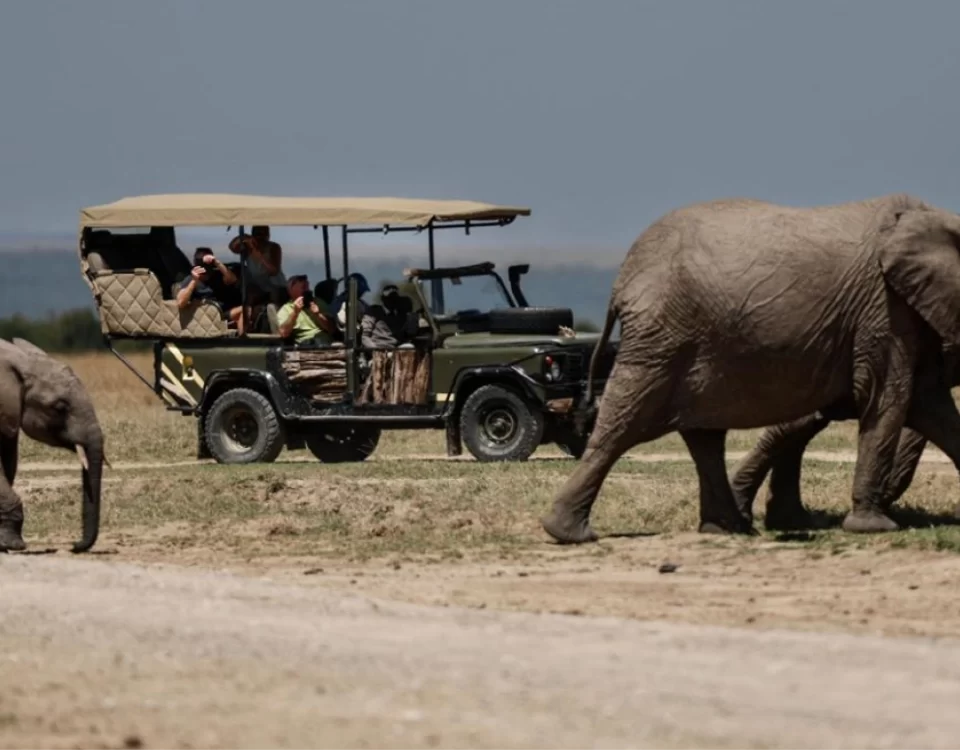
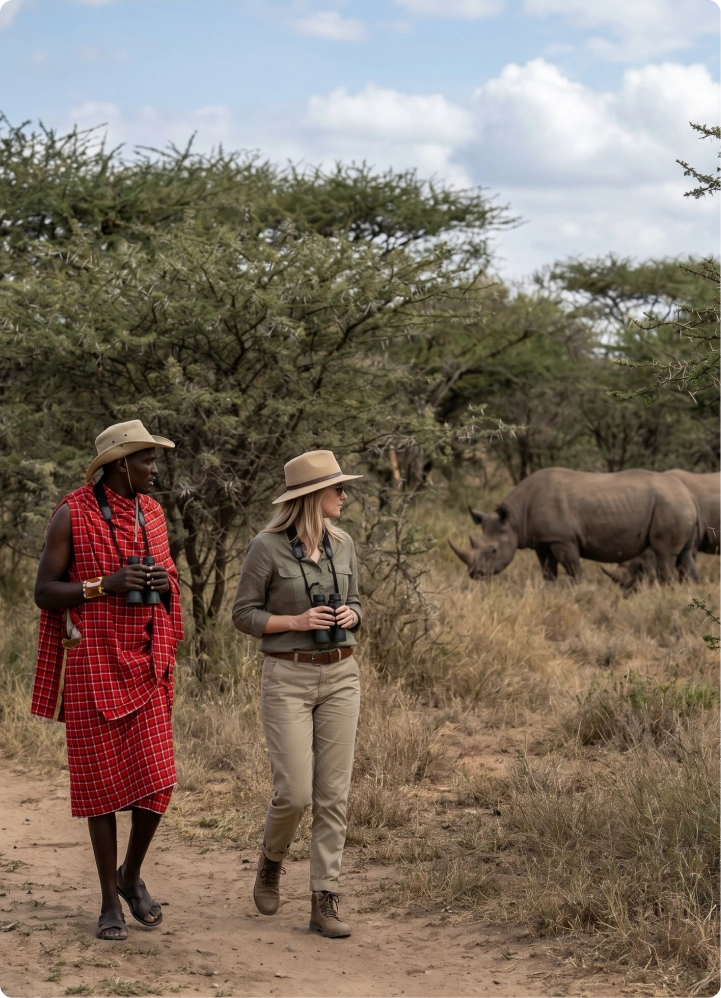
To walk with a Samburu guide is to dismantle the wall between observer and observed. You cease to be a tourist ticking boxes; you become a student of the landscape. You learn the ancient pulse of the private conservancies, the complex, fragile politics of predator-prey dynamics, and the quiet, monumental work of black rhino recovery.
In Laikipia, you do not simply visit; you participate. You see the tangible impact of your presence—the direct funding of conservation technology, the protection of endangered species, and the support of local communities.
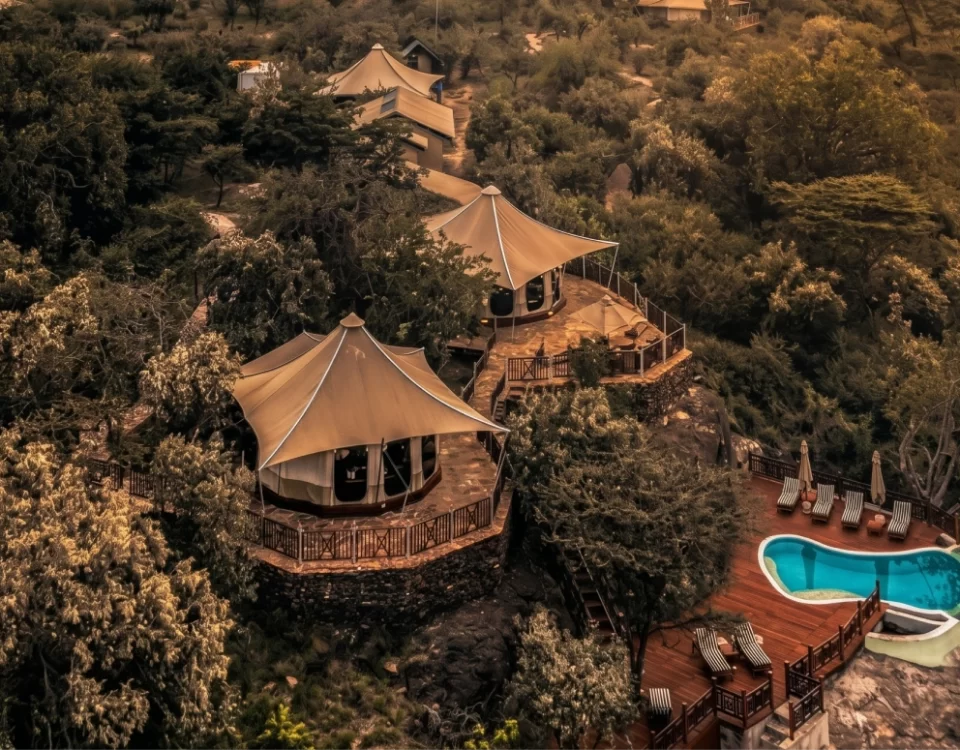
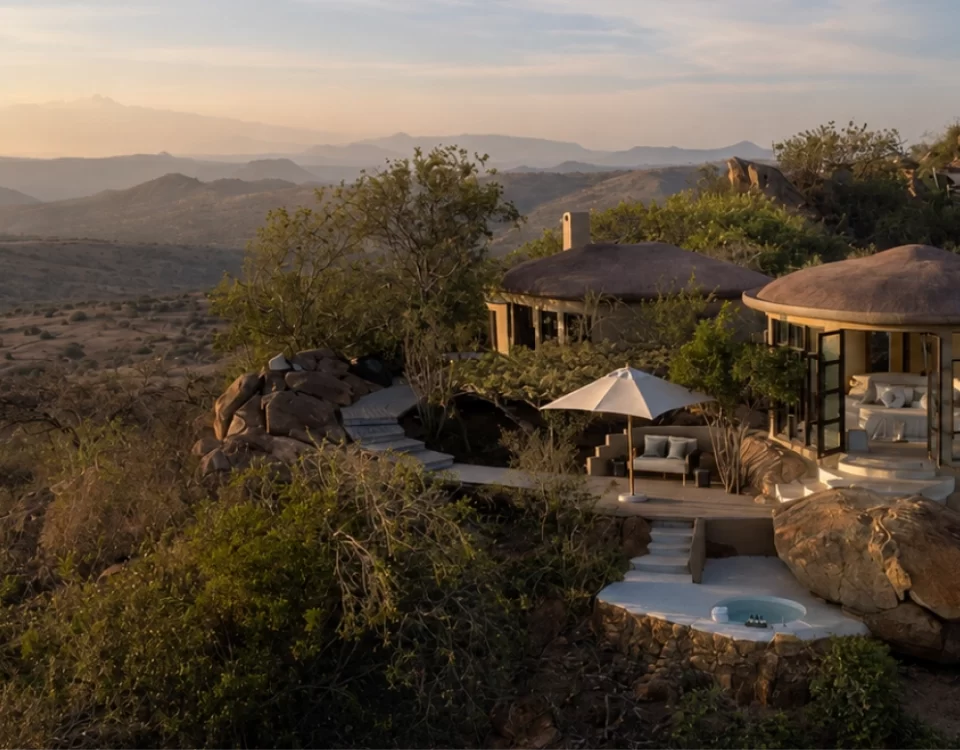
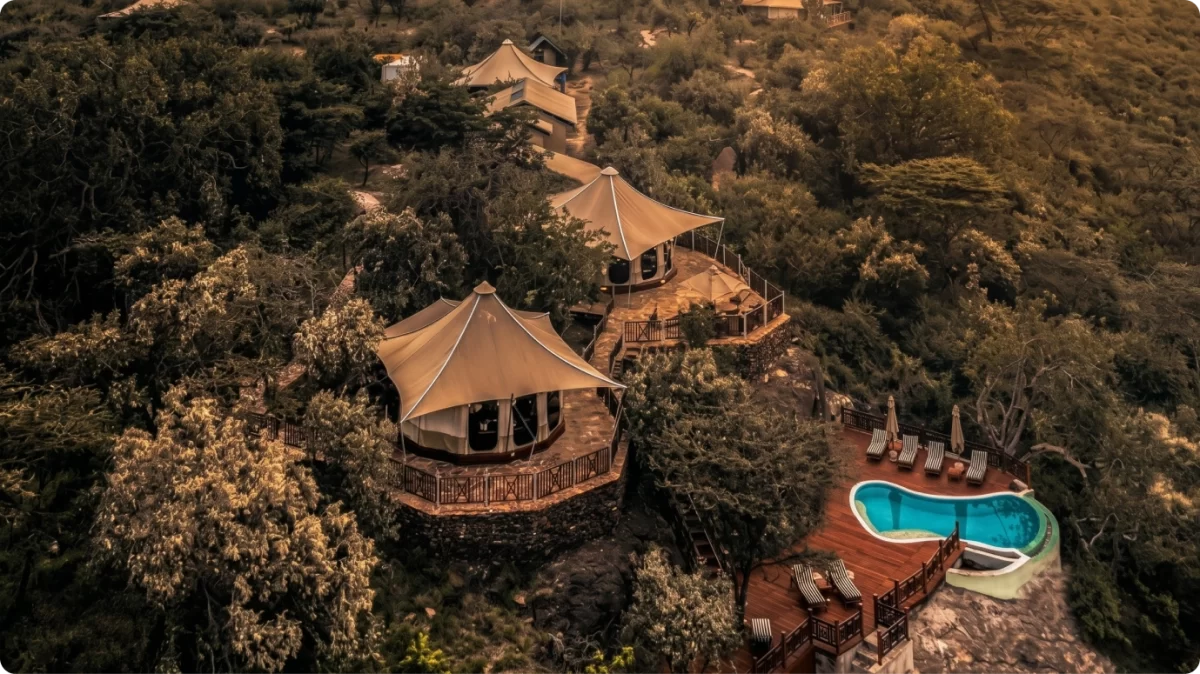
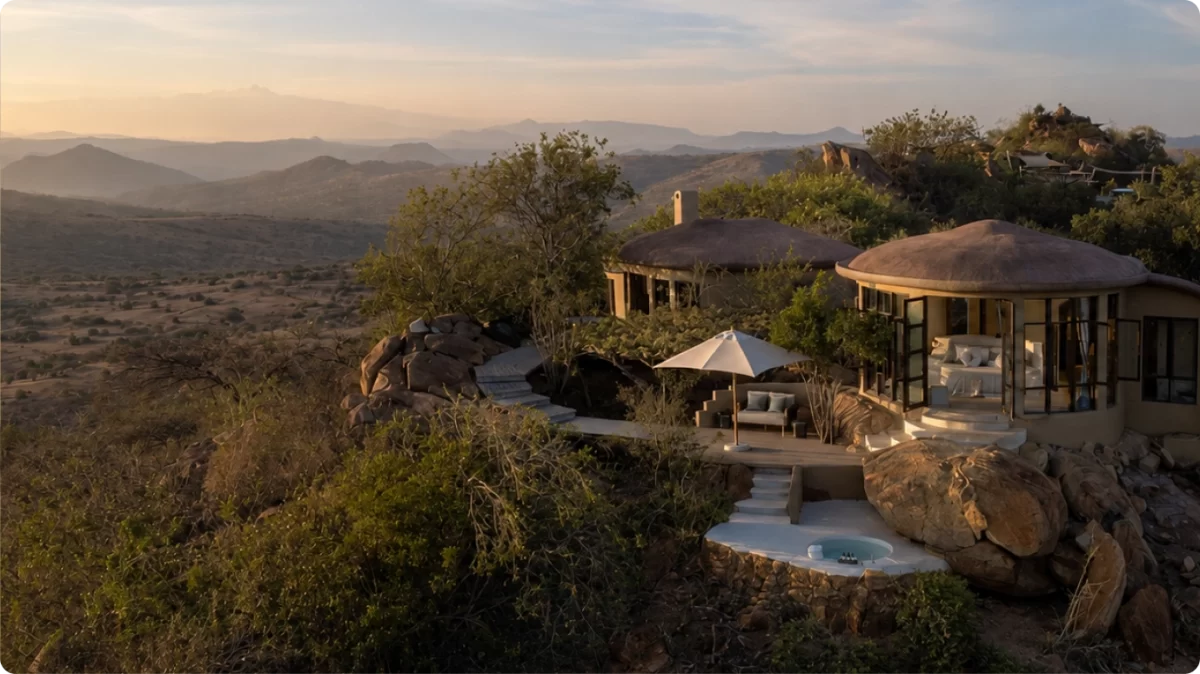
This is the new architecture of travel: where lodges function as masterpieces of biophilic design, disappearing into the terrain rather than imposing themselves upon it. Here, service is a whisper, felt but never seen, and the environment is a digital blackout zone where the only signal that matters is the shifting light across the savanna.
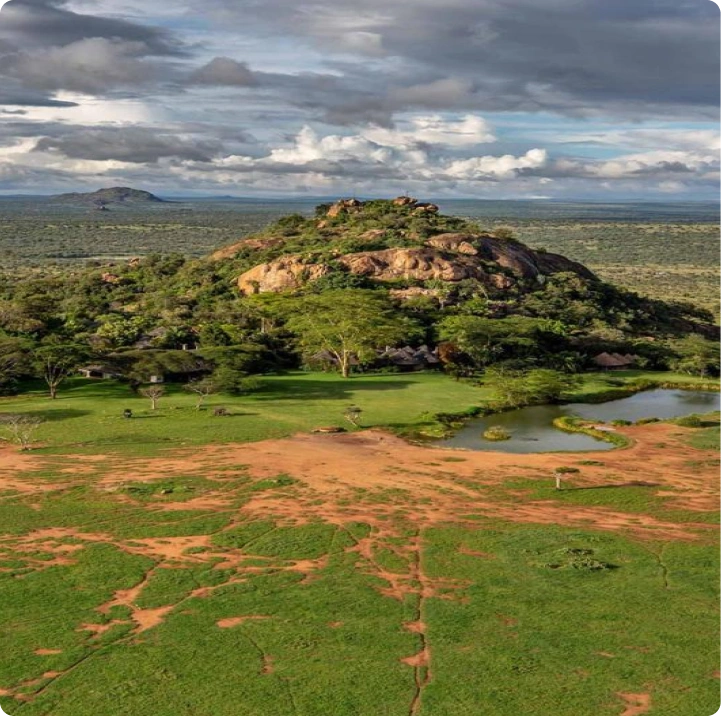
This is the anchor for a different kind of journey—one defined by radical privacy and the rare opportunity to disconnect from the digital noise. It is an escape that does not offer a distraction, but rather a return to something fundamental. Laikipia is not merely a destination you reach; it is a sanctuary where, for the first time in a long time, you can return to the architecture of who you truly are.