The New Gastronomic Frontier: Redefining Luxury in the African Wilderness
For decades, the luxury African safari adhered to a rigid, predictable script. The days were meticulously choreographed around the movement of wildlife; the nights were dedicated to the ritual of the sundowner and the comfort of high-thread-count linens. Food, within this ecosystem, was essentially a support act—a necessary refueling between the morning game drive and the evening campfire. It was polished, professional, and undeniably enjoyable, yet it rarely felt tethered to the vast, complex landscapes that defined the journey.
Today, however, that script is being rewritten. Across East and Southern Africa, a quiet culinary revolution is taking place, transforming the way we experience the continent. We are witnessing the end of "imported luxury"—that era of standardized, international menus where a guest might dine on identical preparations in Kenya, Singapore, or Zurich. In its place, a new, more profound philosophy is emerging: one where the meal is not a pause in the adventure, but an essential component of the narrative itself.The Shift from Commodity to Provenance
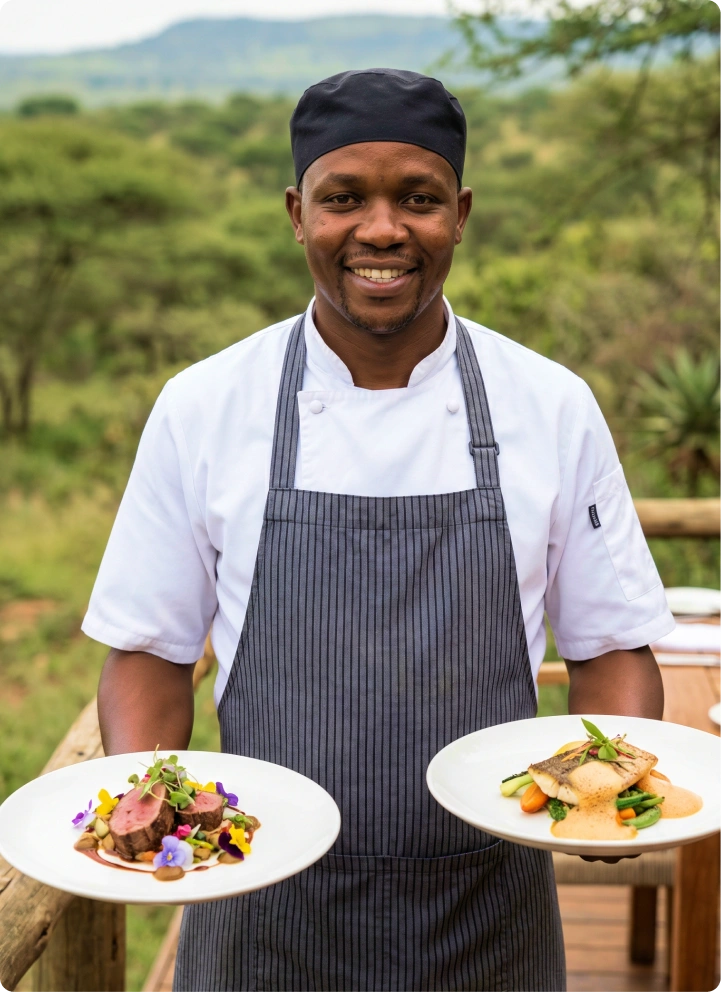
For the sophisticated traveler, the concept of luxury has undergone a tectonic shift. We are moving away from the era of global homogeneity and toward a search for true provenance. Today’s affluent traveler—the conservation patron, the architectural explorer, the private family—is no longer satisfied by the mere spectacle of consumption. They are seeking meaning, context, and a deep, intellectual connection to the places they visit.
This shift has found its most powerful expression in the kitchen.
Leading hospitality groups and independent lodges are fundamentally rethinking their supply chains. The wine cellar, once the centerpiece of the lodge, now shares its importance with the kitchen garden. Chefs are moving beyond the role of mere technicians to become collaborators with local farmers, conservationists, and agronomists. When a menu evolves based on the specific harvest of the surrounding conservancy rather than a standardized, global expectation, the meal becomes an extension of the landscape. It is no longer just about the ingredients on the plate; it is about the soil, the season, and the community that made the meal possible.Dining as Intellectual Storytelling
The most resonant dining experiences are now beginning long before one sits down at the table. They start in the field. When a guest learns about regenerative farming practices during a morning walk, speaks with a community leader about the history of indigenous crops, or observes how a lodge integrates permaculture to support local biodiversity, the dinner that follows carries a different weight.
It is no longer simply sustenance. It is storytelling.
When a dish features indigenous greens that have been harvested hours earlier, it becomes a piece of evidence. It is a reflection of the relationship between the community, the landscape, and the hospitality provider. For the guest, this creates a visceral connection to the destination. It transforms the act of dining into an exercise in cultural understanding. You are not merely tasting a meal; you are consuming the geography and the heritage of the region.The Emotional Resonance of the Meal
This culinary evolution aligns perfectly with the broader trend in luxury travel: the prioritize of experience over possession. Unlike an architectural landmark or a rare wildlife sighting, which one observes, food is a participatory act. It engages every sense. It creates emotional memories that are often more durable than the memory of a suite number or a flight itinerary.
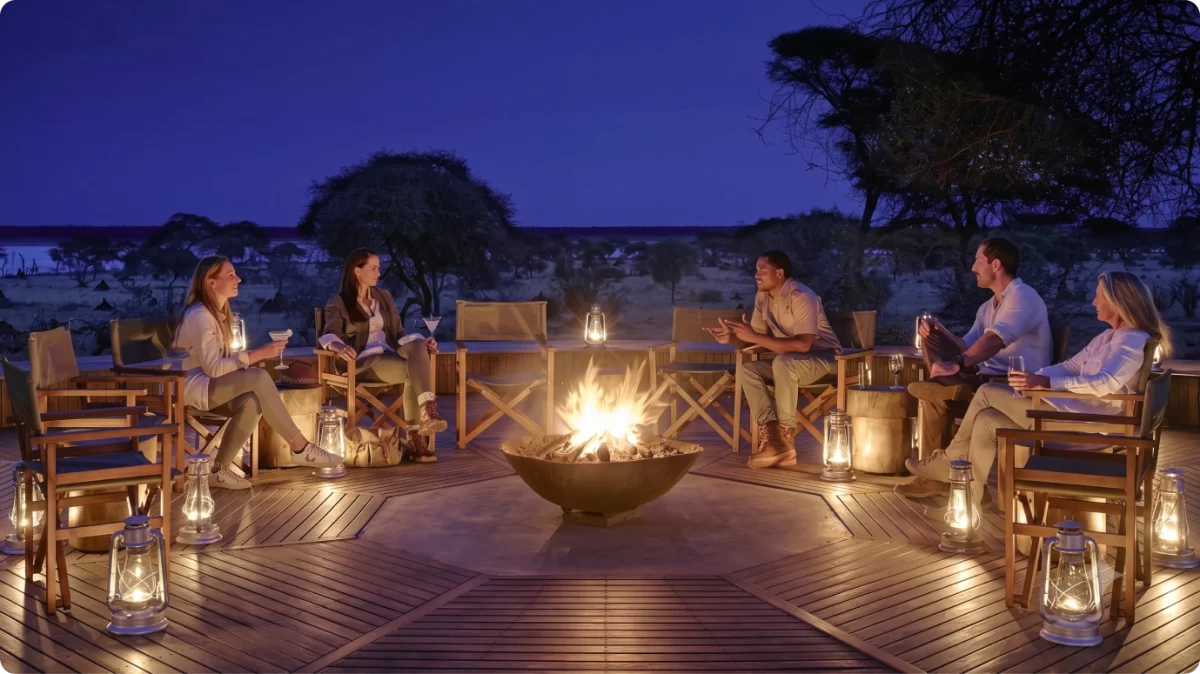
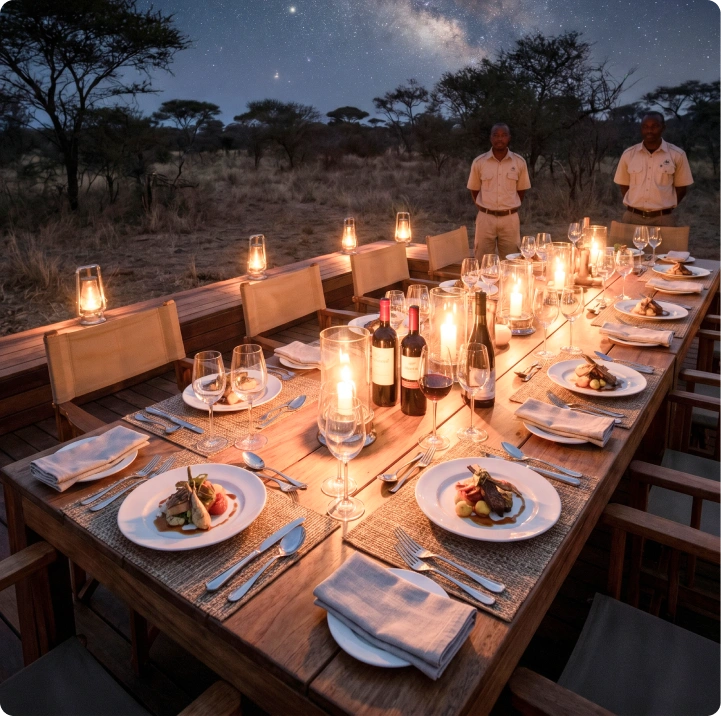
There is a distinct, understated power in sharing a thoughtfully prepared, hyper-local meal beneath the vast, open canopy of an African sky. It strips away the pretense of global luxury and replaces it with the profound, quiet elegance of a place that feels authentic and untarnished. It is, perhaps, the most modern form of luxury: the privilege of eating food that could not possibly be replicated anywhere else on earth.Looking Toward the Future
As the luxury travel market continues to evolve, the distinction between a lodge that serves meals and a destination that curates experiences will become increasingly pronounced. The most successful hospitality brands of the next decade will be those that understand that food is a potent tool for conservation, cultural preservation, and storytelling.
For Africa, this is a unique moment. The continent possesses extraordinary agricultural diversity, ancient food cultures, and a new generation of chefs who are eager to interpret these assets for a global audience. We are entering an era where dining is no longer a secondary consideration of the journey. It is becoming, in many ways, the reason for the journey itself.
For the astute traveler, this represents a new way to see Africa—not just through the lens of the safari vehicle, but through the profound, layered experience of the table. In this new landscape, the most luxurious thing one can experience is a meal that finally tells the truth about where it comes from.