The Slow Pursuit of Understanding: Why Africa is Not a Destination, But a Lifelong Dialogue
There is perhaps no place on Earth more frequently—and more misleadingly—described in the singular. Advertisements beckon us to "experience Africa." Conversations among the global elite revolve around "going to Africa." Itineraries are crafted to capture "the best of Africa." The shorthand feels natural, yet it is profoundly flawed. To speak of Africa as a destination is to commit a category error, reducing fifty-four sovereign nations, thousands of distinct cultures, and a geological vastness spanning equatorial rainforests to alpine glaciers into a monolithic entity.
For the sophisticated traveler, recognizing this distinction is the fundamental pivot required to transform a trip into an engagement.The End of the Checklist Era
For decades, international tourism encouraged a paradigm of quantification. Travel success was measured in the currency of the tangible: countries visited, flight hours logged, and hotel stamps collected. This was the era of the checklist. A safari, a beach, a vineyard—check, check, check.

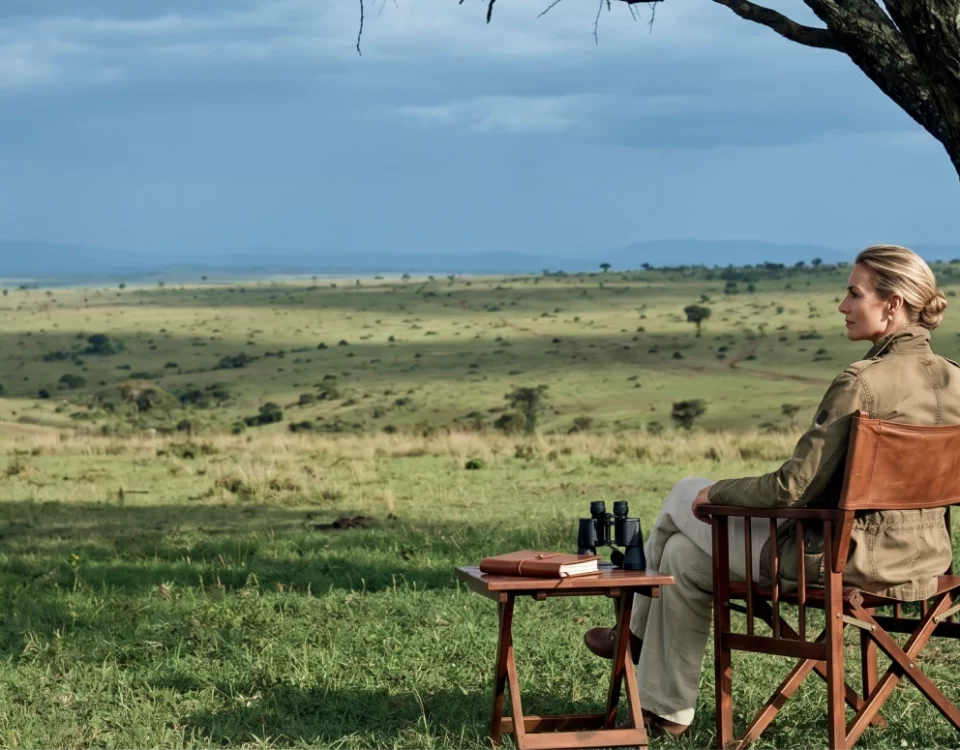
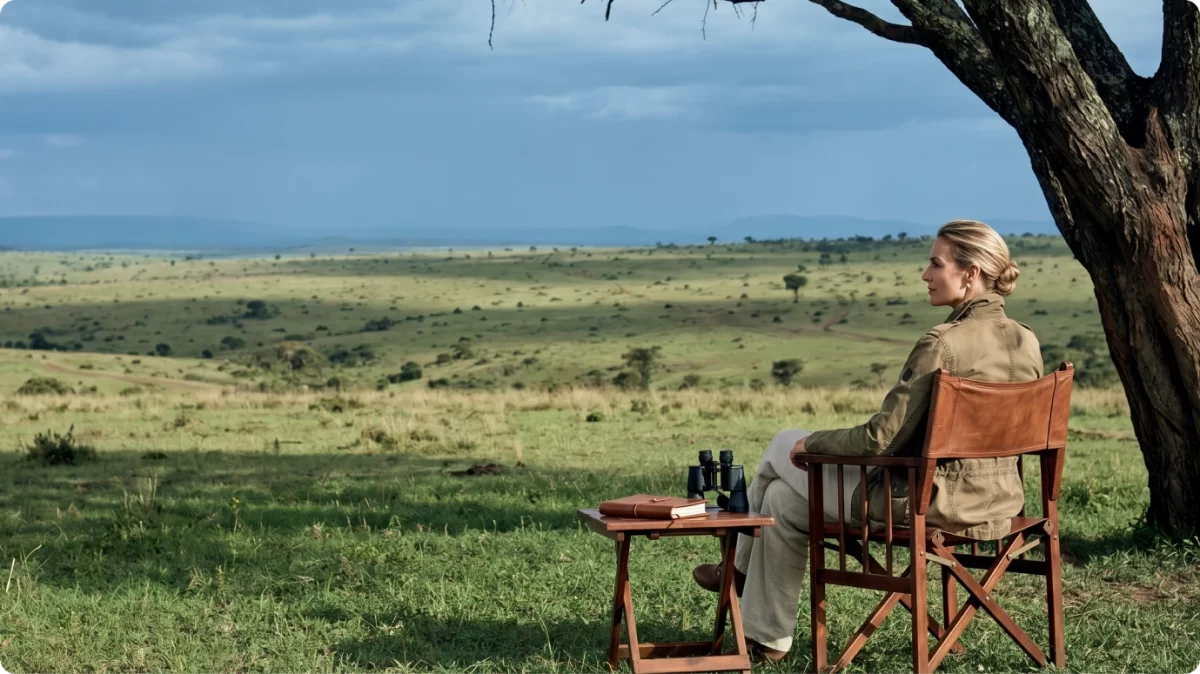
But for the modern high-net-worth individual, that framework has become an artifact of a bygone age. True luxury is no longer defined by the ability to access as many places as possible, but by the privilege of choosing where to be profoundly present. Africa, in its complex, sprawling reality, is largely immune to the quick-hit itinerary. Its greatest offerings resist acceleration; they demand patience, curiosity, and, above all, the surrender of time.The Landscape as Architect
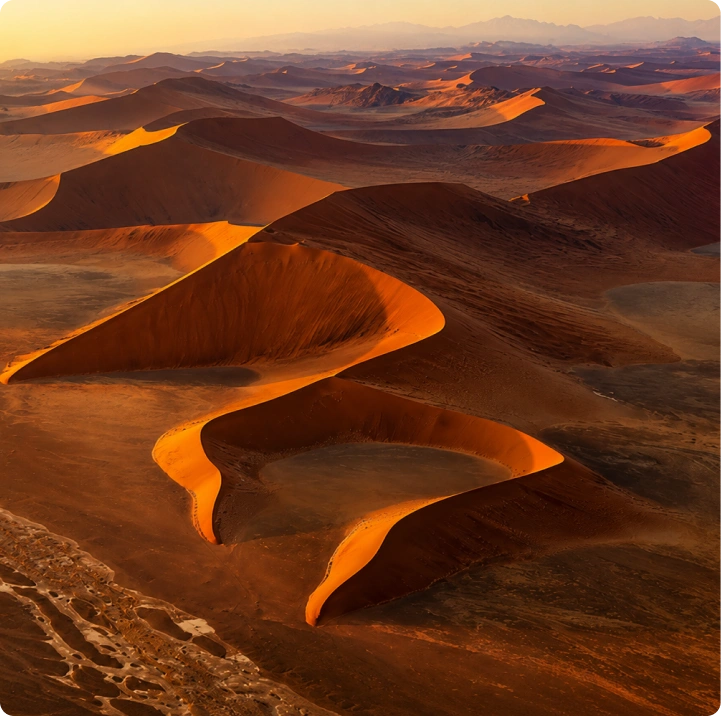
One of the continent's defining characteristics is the symbiotic relationship between topography and identity. To travel through Africa is to move across entirely different worlds, where geography is not merely a scenic backdrop but the primary architect of culture.
Consider the difference in the silence between the Highveld and the Swahili Coast, or the radical divergence in architecture required by a desert climate versus the humid embrace of a forest ecosystem. Cuisine, craftsmanship, social rhythm—these are dictated by rainfall and material, by elevation and ocean. When a traveler shifts their perspective from observation to interpretation, the journey becomes an intellectual pursuit. The landscape ceases to be a vista to be photographed and becomes a complex narrative to be read.The Luxury of Duration
Luxury travel is currently undergoing a quiet, necessary transformation. We are seeing a distinct movement away from the frenetic pace of the "Grand Tour" and toward the deliberate, focused journey. Africa is uniquely positioned to lead this evolution.
A week spent within the boundaries of a single conservancy reveals far more about the intricate balance of local ecology, community dynamics, and wildlife behavior than a three-day scramble across three national parks ever could. Several nights on the Swahili Coast allow for a granular understanding of the local rhythms—the tides, the historical layering of Arab, Persian, Indian, and African influences, and the daily life that defines the region.
Time creates familiarity; familiarity breeds understanding; and understanding creates the only truly lasting souvenir: a connection. This is where the modern traveler finds value.Beyond the Horizon
It is, of course, impossible to speak of Africa without acknowledging the safari—it remains one of the world's singular experiences. However, reducing the continent to its fauna is a missed opportunity to engage with its modern vibrancy.
The affluent traveler of today seeks the layers beneath the surface. They are interested in the burgeoning contemporary art scenes of Nairobi and Johannesburg, the innovative sustainable architecture emerging from rural design hubs, and the sophisticated textile traditions that are influencing global fashion. They are engaging with marine conservation, viticulture, and the quiet, high-stakes economics of community-led conservancy models. These are not secondary stories; they are the essential threads that weave the modern African identity.A Journey That Never Ends
There is a reason why those who begin to travel thoughtfully through Africa inevitably return. The first journey often introduces the magnitude of the wildlife. The second begins to reveal the layers of culture. The third uncovers the nuance of craftsmanship. By the fourth, the continent has become personal.
Africa has a remarkable capacity to reward curiosity. No traveler ever truly "finishes" discovering it. Each visit reveals a new conversation, a different landscape, or a fresh perspective. As global tourism evolves, destinations that offer authenticity, scale, and meaning will rise to the top of the discerning traveler's agenda. Africa possesses these qualities in abundance, but they are reserved exclusively for those willing to slow down.
The most rewarding journeys rarely answer every question they pose; instead, they inspire better ones. For the traveler willing to embrace this approach, Africa offers something increasingly rare in our modern, frantic world: not just extraordinary places, but an entirely new way of seeing the world. It is not a destination to be ticked off, but a continent to be kept, cherished, and returned to, again and again.