
The Safari Paradox: Why the Ultimate Luxury Is Human, Not Material
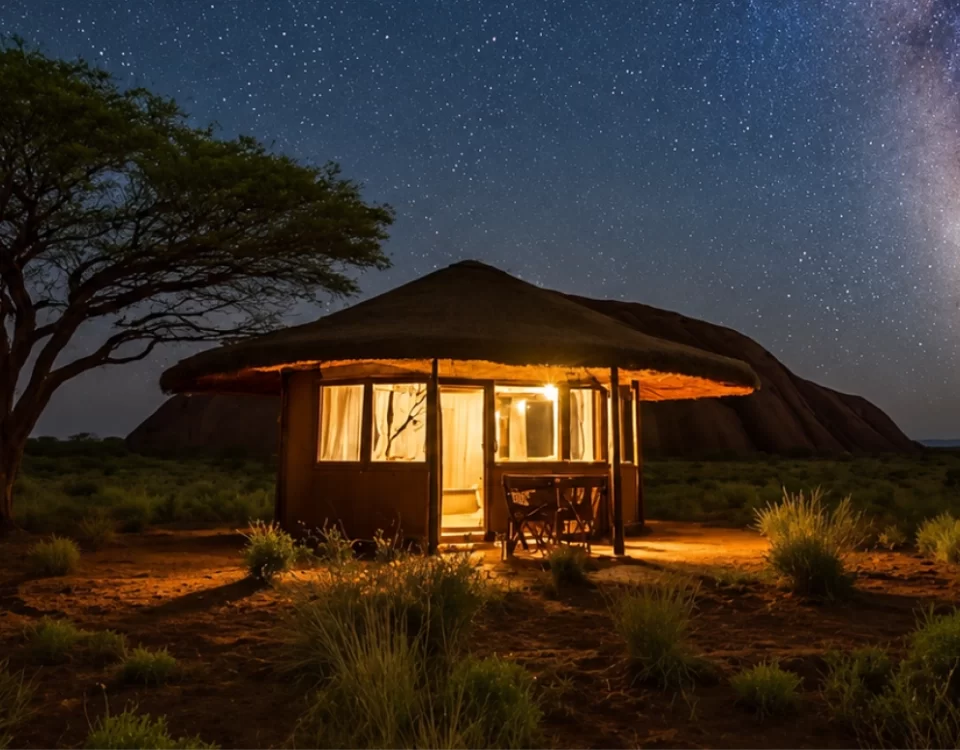
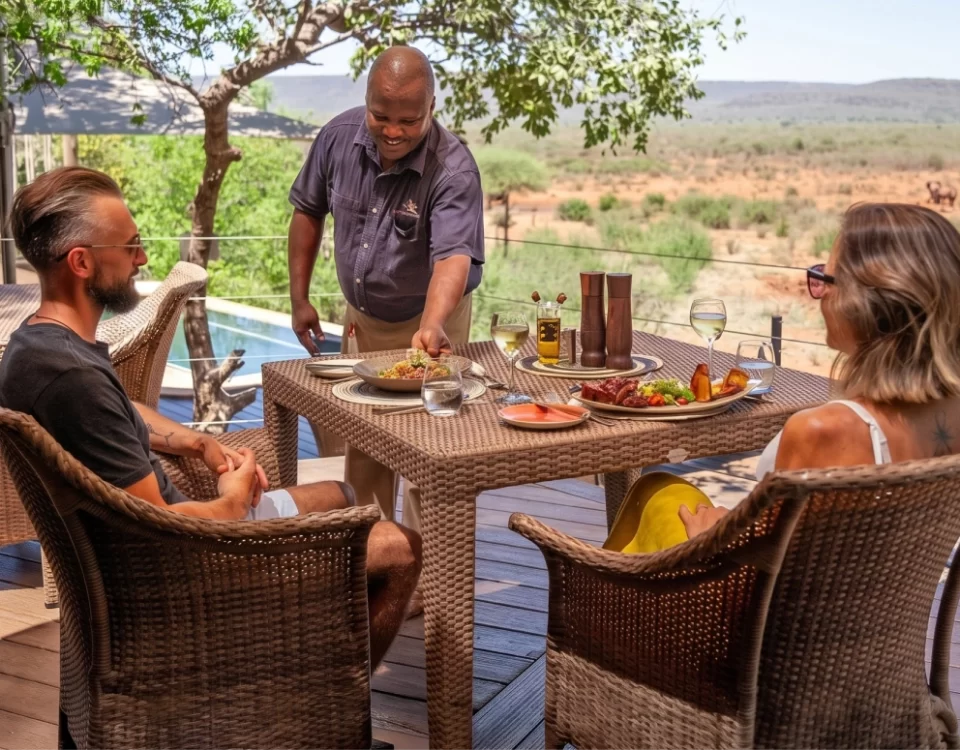
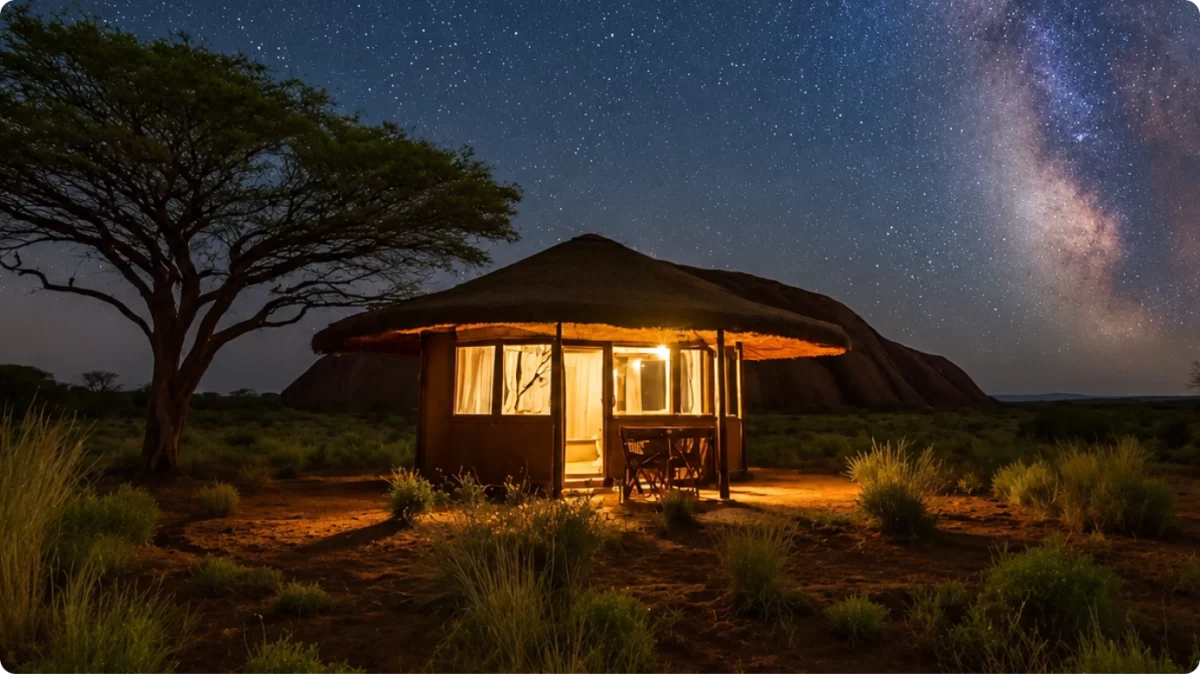
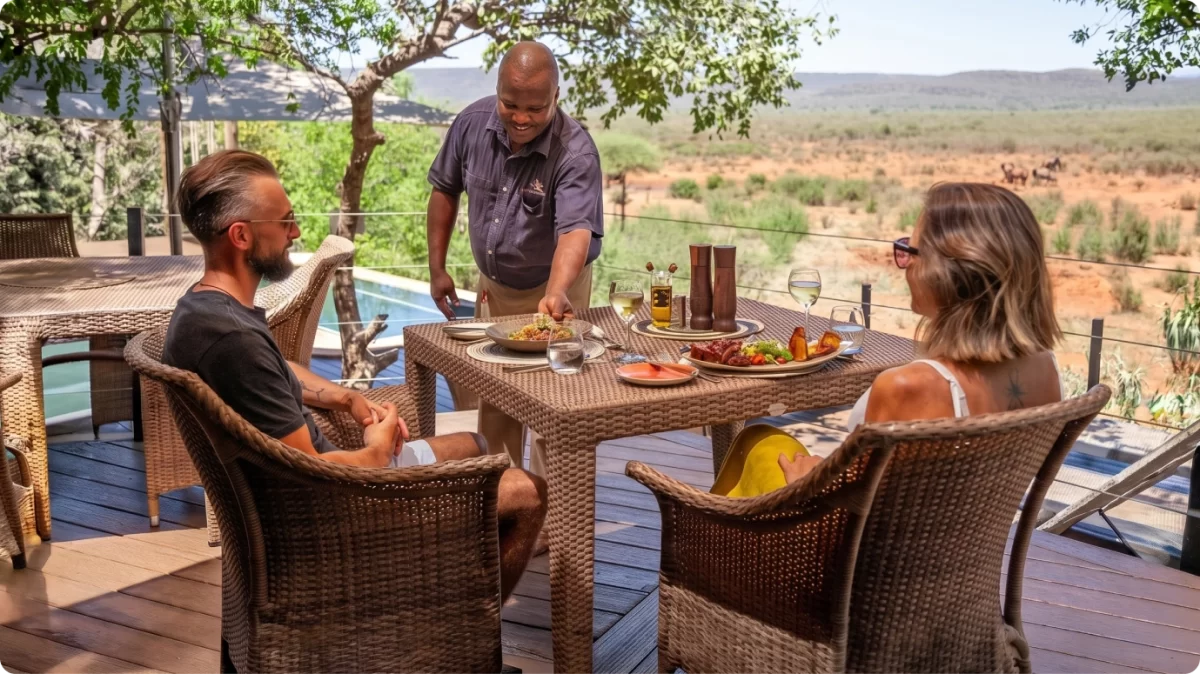
In the upper echelons of global travel, luxury is often misidentified as an accumulation of assets. We measure it in thread counts, private flight manifests, and the architectural audacity of a remote eco-lodge. Yet, those who frequent the most exclusive corners of the African bush have come to realize a singular, profound truth: when you strip away the polished brass and the perfectly curated sundowners, the true luxury of a safari reveals itself to be something far more intangible.
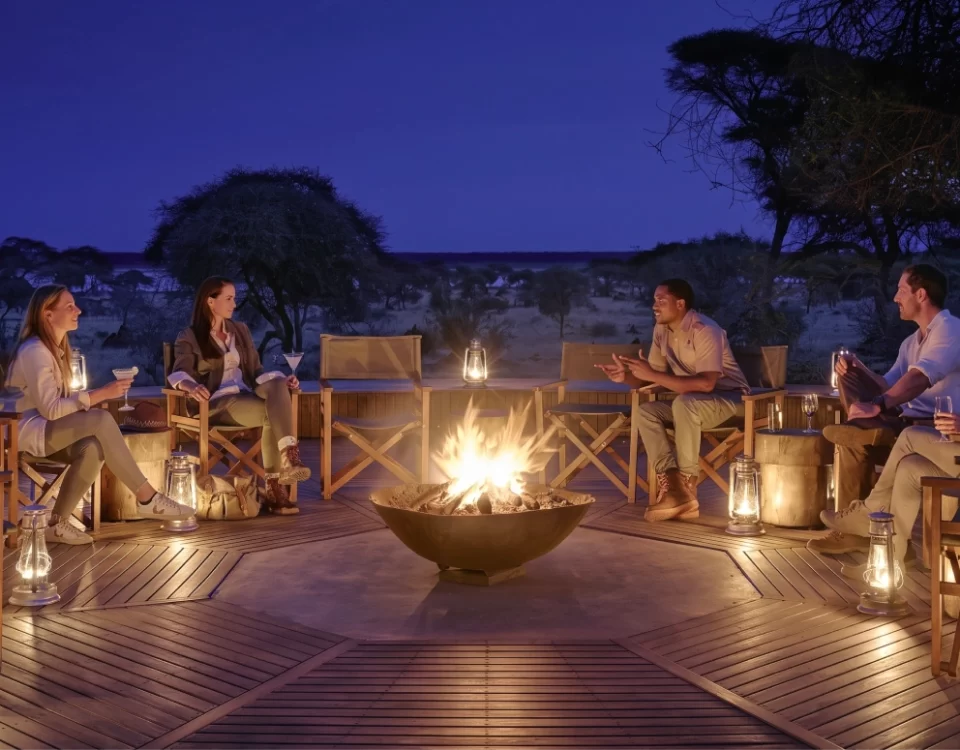
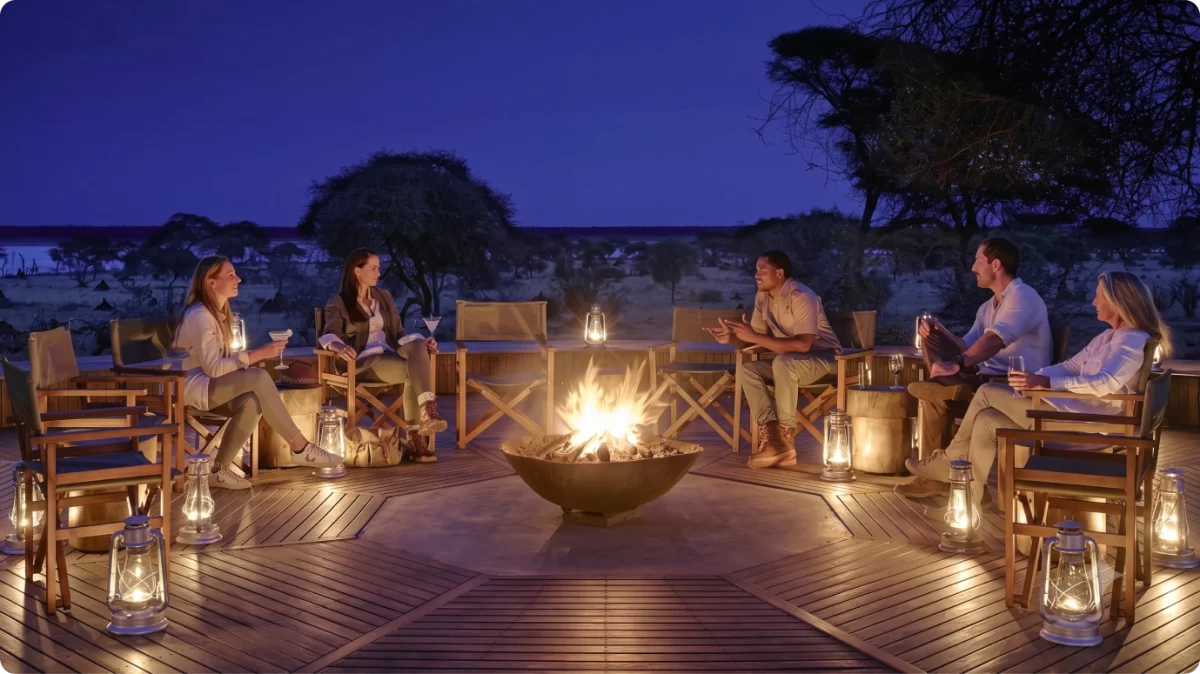
It is the person sitting beside you. It is the guide.
For the discerning traveler, the landscape itself is a given—the Serengeti, the Okavango, the Laikipia Plateau. These are stage sets of incomparable majesty. But a stage set without a director is merely a backdrop. A guide does not simply lead a safari; they curate a narrative. In an industry increasingly obsessed with logistics and amenities, the guide remains Africa’s most valuable, and often most underappreciated, luxury asset.Beyond the Lens
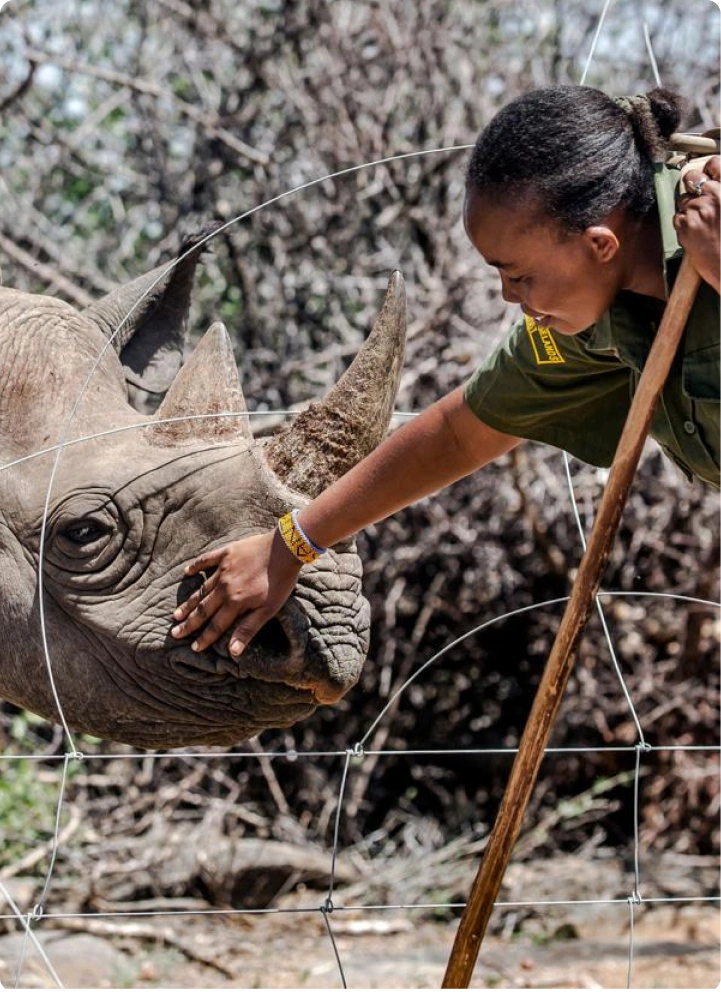
There exists a pervasive misconception that the value of a guide is capped by their ability to "spot" wildlife. While the technical proficiency required to track a leopard through dense scrub or anticipate the movement of a herd across the savannah is undeniable, it is merely the baseline of the profession.
The finest guides are not merely trackers; they are polymaths. On any given afternoon, they shift effortlessly between the roles of historian, psychologist, conservationist, and storyteller. They understand that a guest’s fascination might lie in the territorial dynamics of a lion pride, or perhaps the delicate botany of the surrounding flora, or even the nuanced politics of local communities. The guide is the bridge between mere observation and deep understanding—they are the interpreters who transform a passing glance into an intellectual engagement.The Architecture of Experience
This shift toward "intellectual luxury" is defining the future of the high-net-worth travel market. Today’s affluent traveler prioritizes authenticity over spectacle, and depth over volume. While a larger suite may improve physical comfort, and a private aircraft improves logistics, it is the remarkable guide who fundamentally transforms the entire experience.
We are seeing a marked rise in the demand for specialist guiding—travelers who seek out specific expertise in photography, ornithology, or cultural heritage. This movement mirrors a broader trend across the luxury sector: personalization is eclipsing standardization. In this new paradigm, expertise is far more valuable than infrastructure.Knowledge That Cannot Be Downloaded
What distinguishes the elite guide is an intuitive relationship with the landscape that transcends formal training. While the industry’s best hold advanced certifications in ecology and conservation, their true mastery often stems from lived experience. For many, this knowledge was absorbed in childhood, long before tourism was a profession. It is an understanding of place that is deeply rooted, earned over decades, and impossible to replicate through technology or itineraries.
Furthermore, these individuals serve as the front line of conservation. They are the eyes and ears of the wilderness, monitoring wildlife activity and educating visitors on the ecological pressures facing these habitats. By helping guests appreciate the complexity of the landscape, they ensure that the beauty travelers come to witness remains protected for generations to come.The Transformation
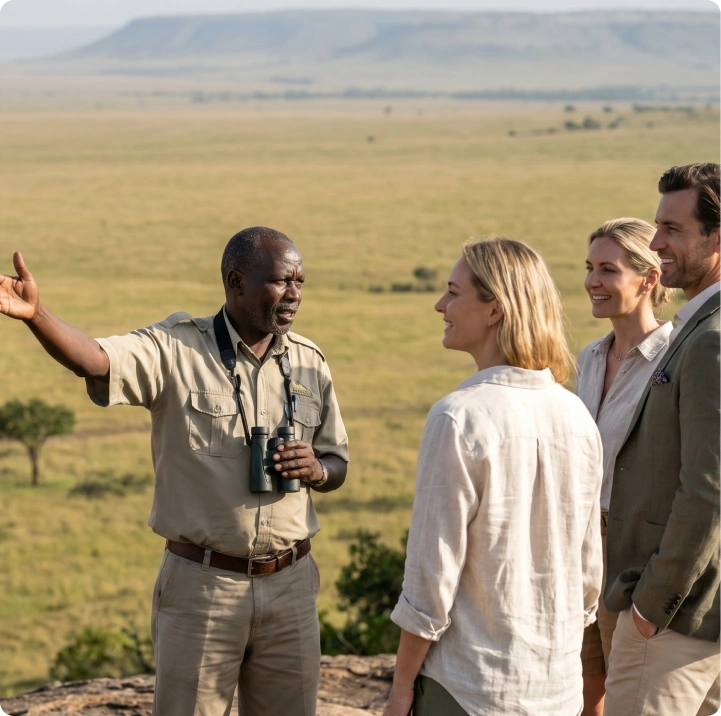
Ultimately, the goal of luxury travel is transformation. The most enduring memories of an African journey are rarely found in the camera roll; they are found in the quiet moments. A conversation beneath a fever tree, a whispered explanation about animal behavior, or a story shared over morning coffee—these are the human connections that outlast the wildlife sightings themselves.
The future of African tourism will undoubtedly embrace new technologies, from advanced tracking tools to more sophisticated connectivity. Yet, despite these innovations, the essence of the experience remains immutable. People travel to understand places, and places are understood through people.
As the luxury market continues to evolve, the most exclusive access is not just to the landscape, but to the perspective of those who truly know it. The finest safari guide does not simply show travelers Africa; they reveal it.