The New Currency of the Savannah: Why Africa’s Luxury Frontier is Slowing Down
There was a time, not so long ago, when luxury travel was measured in the cold arithmetic of accumulation. It was defined by the number of countries checked off a list, the density of flight itineraries, the sheer volume of properties visited, and the frantic speed at which one could move from the Serengeti to the Mara, from the Delta to the desert. The objective was breadth; the currency was the passport stamp.
For the modern, sophisticated traveler, that paradigm is not merely outdated—it is increasingly viewed as an obstacle to the very experience they are seeking.
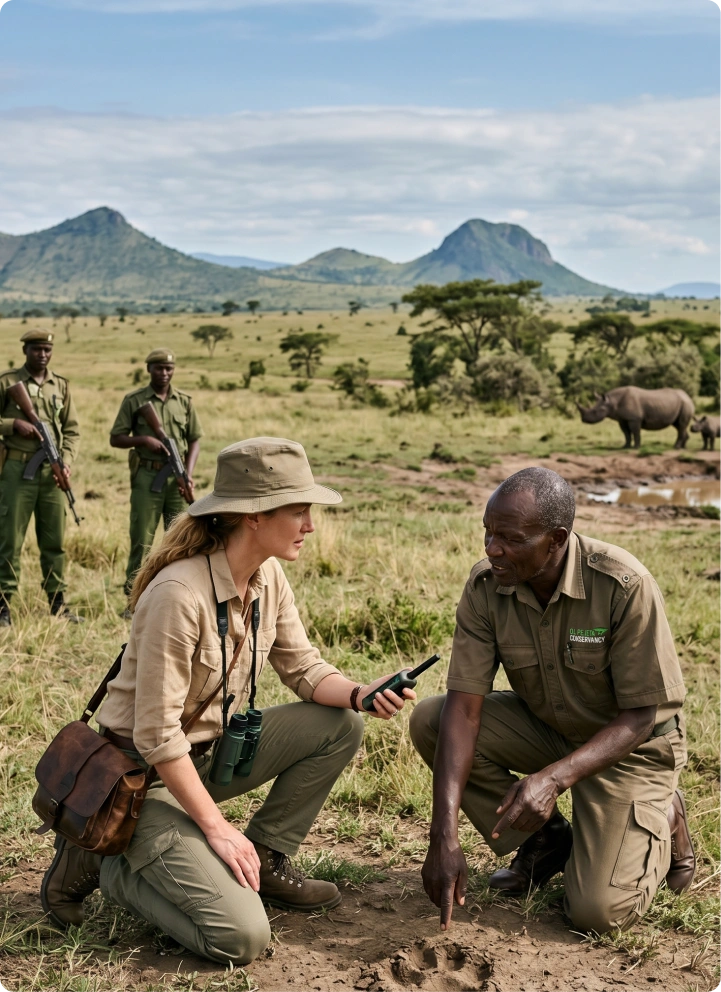
Across the upper echelons of the travel market, a profound shift is underway. The "checklist safari"—that high-velocity, multi-stop journey designed to cram a continent’s worth of biodiversity into a ten-day window—is receding. In its place, we are seeing the rise of intentional immersion. For family offices, ultra-high-net-worth individuals, and the next generation of conservation-minded travelers, the conversation has shifted. The question is no longer "How much can we see?" but rather, "How deeply can we experience it?"The End of the Checklist
The logic behind the old guard of luxury travel was understandable: long-haul transit is costly, and time is the one non-renewable resource. Naturally, there was a drive to maximize the return on investment. Yet, as we move through 2026, the world’s most discerning travelers are reaching a different conclusion. They have discovered that by racing across regions, they were missing the essential texture of the African experience.
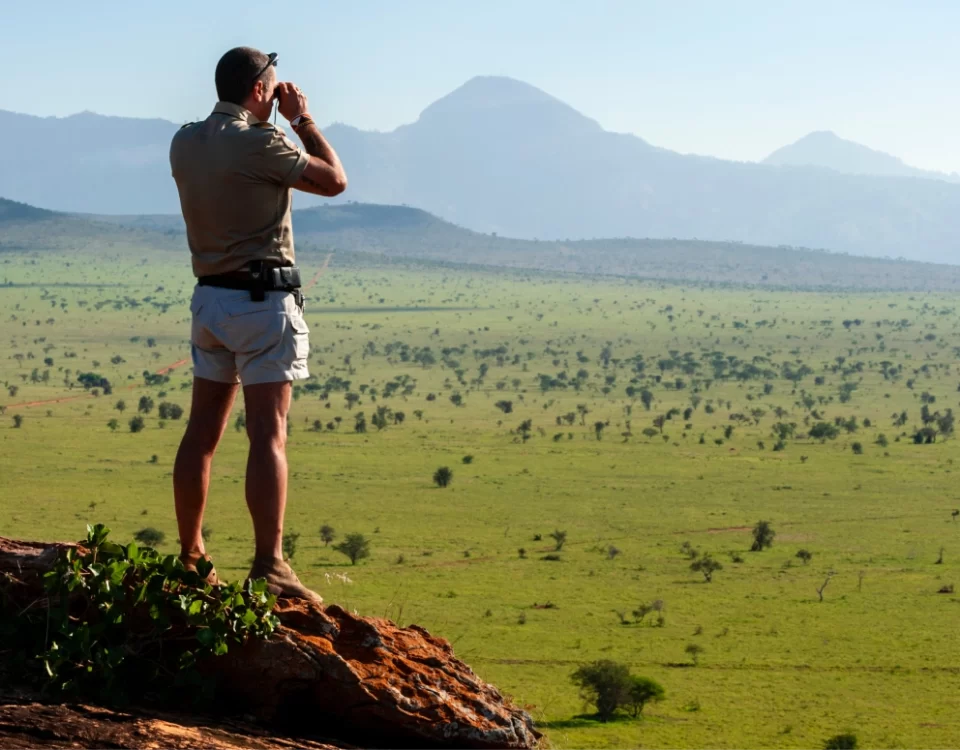
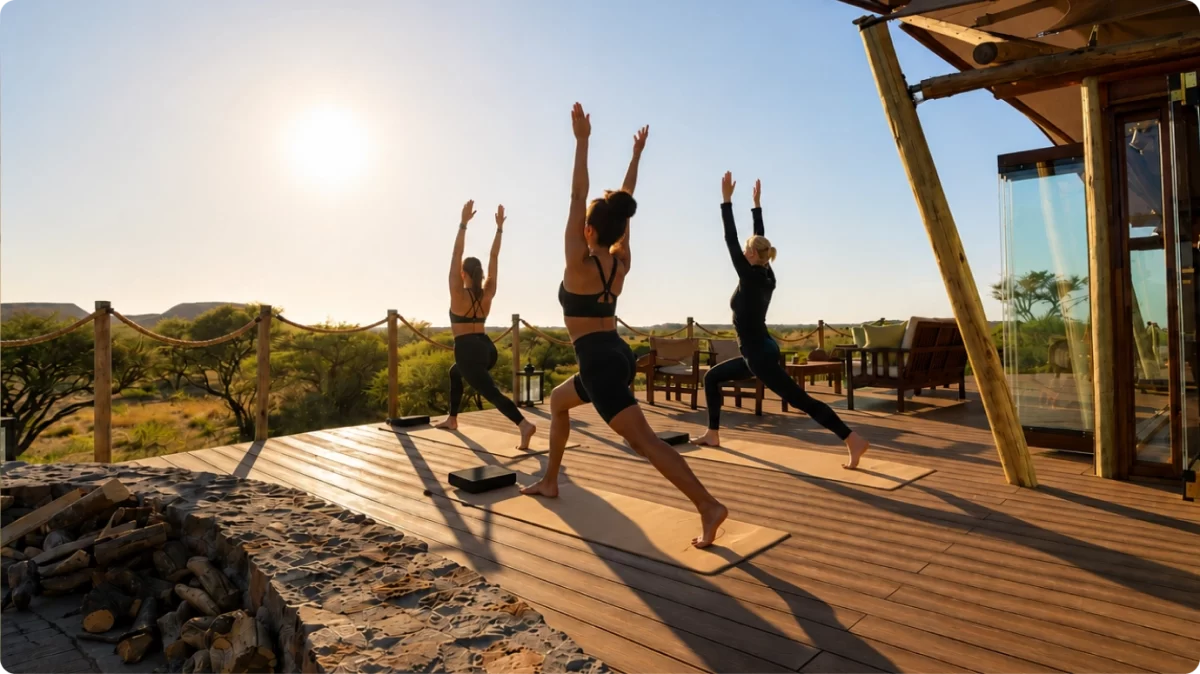
Today’s most refined itineraries prioritize stillness over movement. We are seeing a marked preference for spending a full week within a single private conservancy rather than splitting that time across four different properties. It is a movement toward the unhurried—choosing a walking safari in Laikipia or a multi-day conservation immersion in the Okavango over a frenetic, activity-heavy schedule.
This is not a rejection of adventure; it is a vital refinement of it. It is an acknowledgment that true luxury is no longer defined solely by the thread count of the linens or the exclusivity of the lounge access. It is defined by access to something far more elusive: unstructured time.Silence as a Luxury Product
In a global landscape that feels increasingly crowded and hyper-connected, silence has quietly become a premium luxury product. While many global tourist hubs struggle with over-tourism, Africa offers a counter-narrative of vast, undisturbed space.
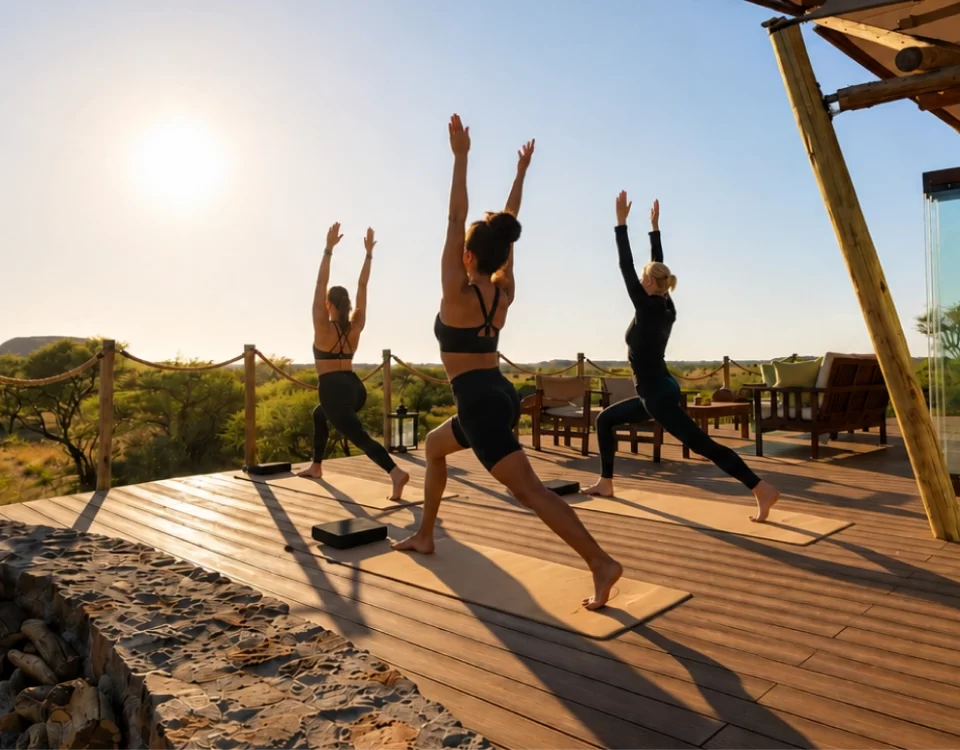
For the Executive Escape traveler, the ability to disappear into a landscape—to spend hours observing the slow unfold of a desert or the subtle shifts in a marshland—is the ultimate recovery. It is a form of privacy that money alone cannot buy; it requires the foresight to choose the right, remote environment. When a traveler can spend days without encountering another soul, they are not just taking a holiday; they are reclaiming their cognitive space. This, more than the private jet or the presidential suite, is the new status symbol of the twenty-first century.The Safari as Participation
Perhaps the most significant driver of this shift is the growing desire for tangible meaning. The "Conservation Patron" does not want to merely watch; they want to contribute. They want to understand the economics of the wilderness they are visiting.
In this new era, the safari is no longer a spectator sport—it is a form of participation. Sophisticated travelers are increasingly viewing their itineraries through the lens of impact. They want to know where the revenue goes, how their presence bolsters local community development, and how their stay directly funds habitat protection.
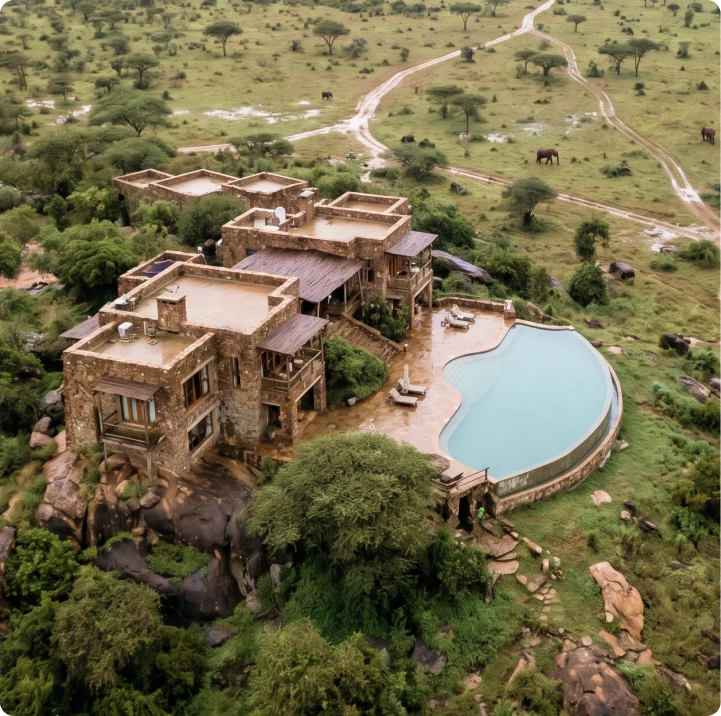
In East Africa’s conservancy model, this has led to a fascinating convergence: the guest experience and the conservation outcome have become inseparable. When a traveler commits to a longer stay in a single location, they aren’t just a guest at a lodge; they become a patron of the landscape. They witness the restoration of a river system, the success of an anti-poaching unit, or the strengthening of a community-led school. This creates a connection that is profound, personal, and fundamentally different from the transient nature of traditional tourism.The Last Private Frontier
Status in the luxury world has always been about visibility—the best table, the most famous resort, the most recognizable destination. But the new elite are moving in the opposite direction: toward invisibility.
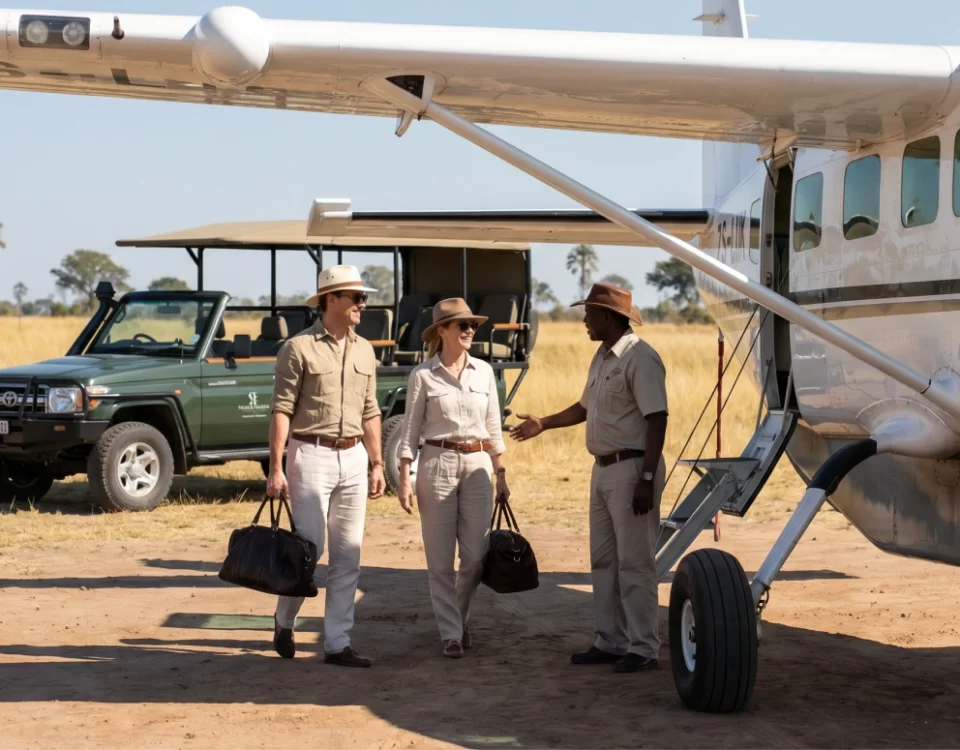
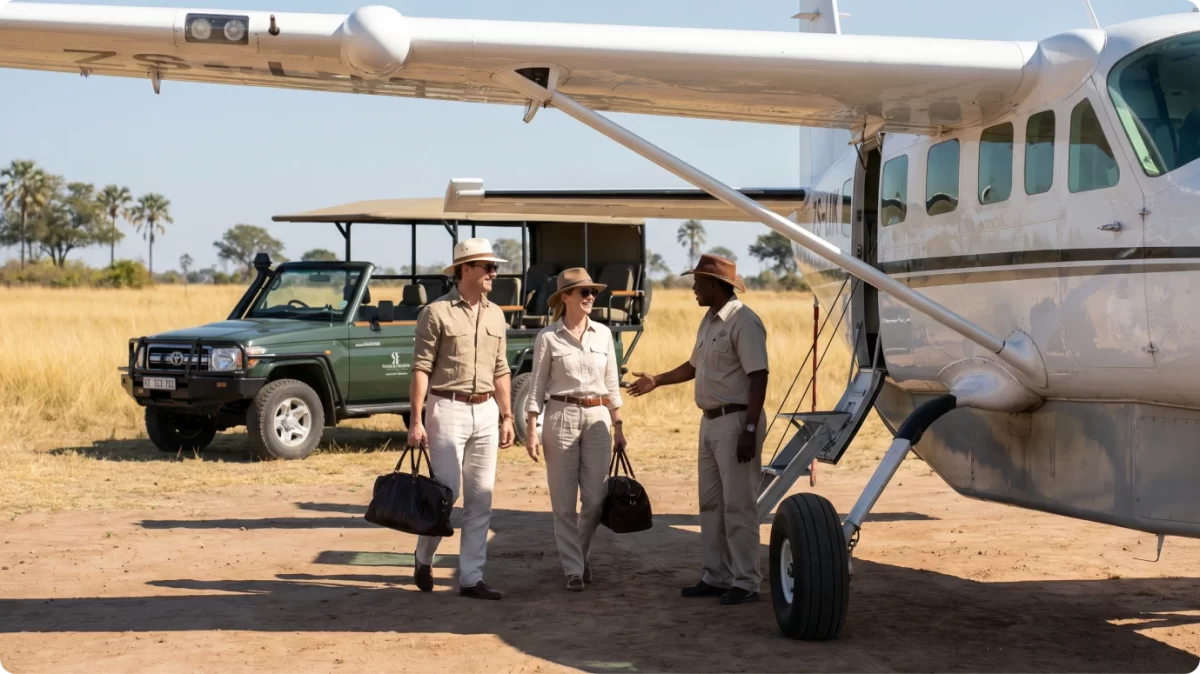
For the modern HNW traveler, the ability to avoid crowds, to experience the wilderness privately, and to operate with absolute discretion is the new prestige. Africa offers this with a natural advantage. With exclusive-use villas, remote fly-in camps, and vast private conservancies, the continent provides the infrastructure for a privacy-first existence.
As we look toward the future of travel, the winners will not be the brands that focus on volume or scale. The winners will be those who help the traveler understand a place rather than merely traverse it. The winning lodges will be those that provide the depth of context and the sanctity of space.
In a world addicted to speed, Africa offers a rare privilege: the invitation to slow down. For those willing to accept it, the rewards are not measured in checklists, but in the enduring quality of the journey itself. That, perhaps, is the continent’s most valuable luxury of all.